Topic: Maritime Landscape 2030 - Opportunities & Challenge
Oct 27-Oct 29, 2026
Venue: Hotel Westin, Powai Lake, Mumbai, India
Hosted by: IME(I) - The Institute of Marine Engineers
(India)
Major dignitaries:
● Shri Sarbananda Sonowal, Hon'ble Union Cabinet
Minister for Ports, Shipping and Waterways, GoI;
● Shri Nitesh Narayan Rane, Hon'ble Cabinet
Minister of Fisheries & Ports Development, Govt. of Maharashtra;
● Shri Shantanu Thakur, Hon'ble Minister of State,
Ministry of Ports, Shipping and Waterways;
● Shri Shripad Naik, Hon'ble Union Minister, Power
and Renewable Energy;
● Shri Vijay Kumar, IAS, Secretary, Ministry of
Ports, Shipping and Waterways and
● Shri Shyam Jagannathan, IAS, Director General of
Maritime Administration & Addl. Secretary to the GoI, MoPSW.
Executive Summary
Background of the seminar
As per Shri Shyam Jagannathan, “The
contributions of this leading technology event held quadrennial since 1982 by
IME(I), a not-for-profit body of professional marine engineers has been immense
and the success of DGS-INMARCO Green Shipping Conclave 2022has been well
appreciated by industry leaders, policy makers and other stakeholders as
evident from numerous initiatives within the industry driven by its outcomes.
The upcoming INMARCO-2026 presents an excellent opportunity to continue the
collaboration of IME(I) and this Directorate for furtherance of this important
work and advancement of our collective efforts in enhancing efficiency,
resilience and sustainability of the international maritime community.”
He further mentioned “We believe that by working
together (with DGS), we can make significant strides in deliberating complex
issues that the sector will face over the next 4-5 years such as capacity
constraints in global yards, evolving design standards, and the need for a more
efficient, modular and digitally enabled shipping. This event will also
accelerate the technical engagement towards implementing and enhancing the Hong
Kong Convention recycling practices besides the ever-growing need for scaling
zero and near-zero emission fuels for the global maritime industry.”
CRG Participation:
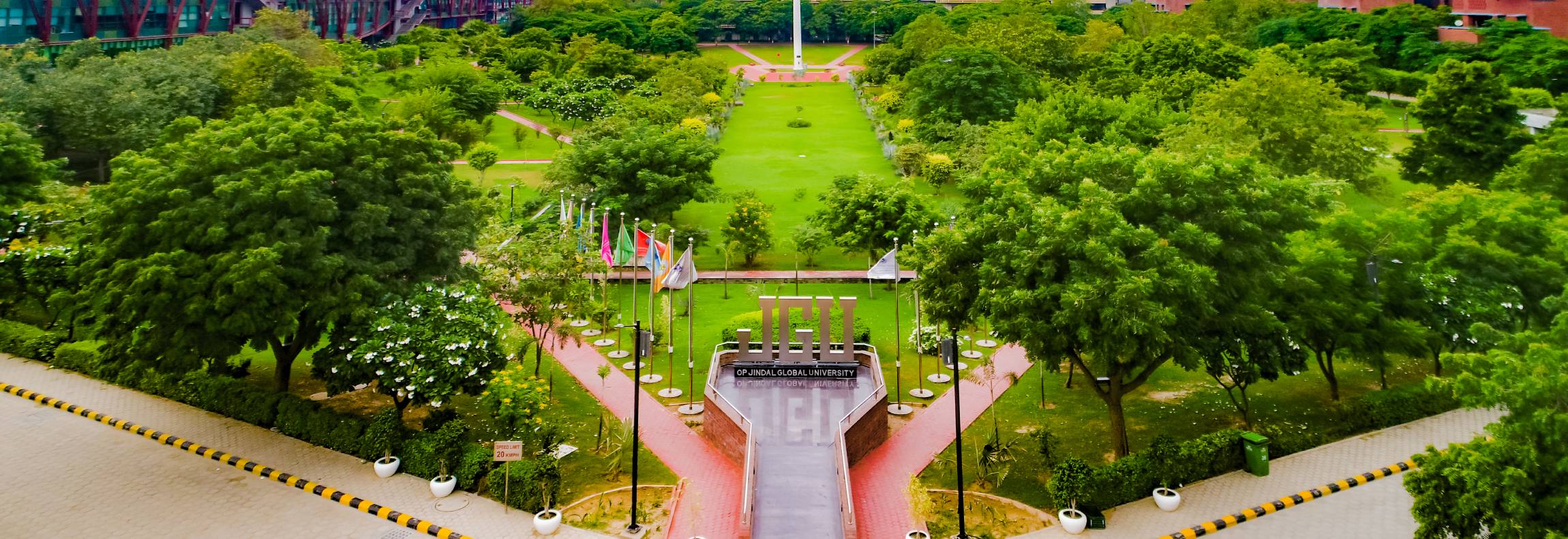
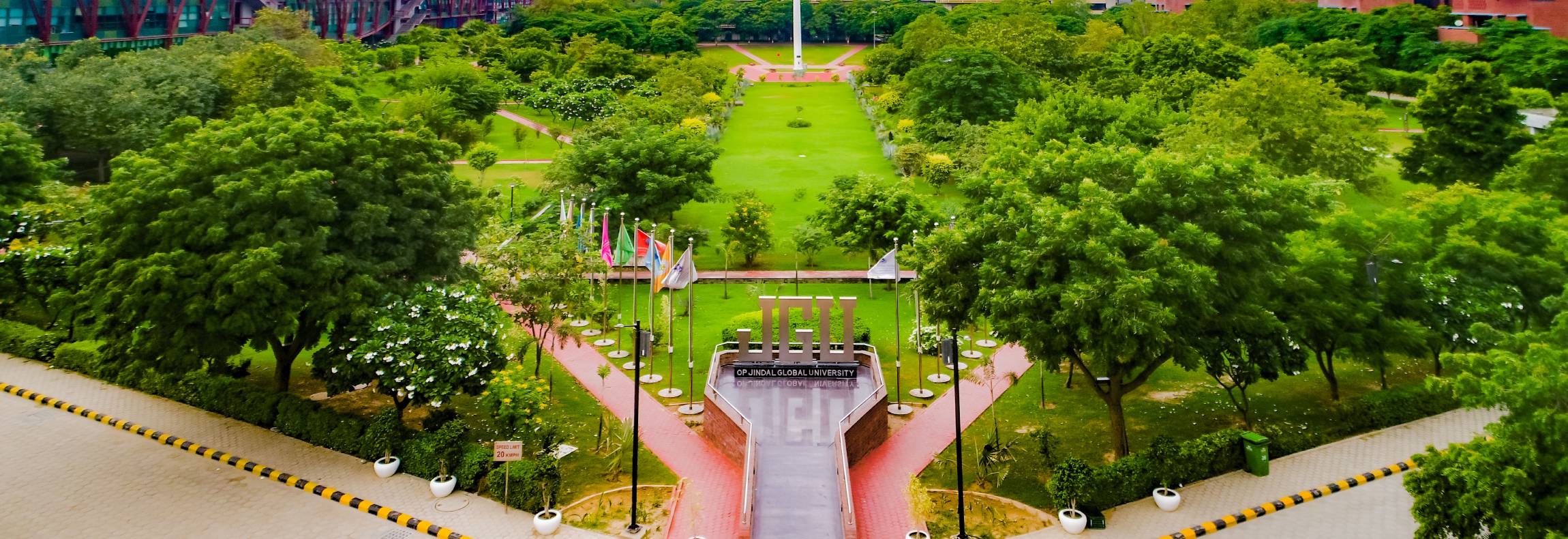
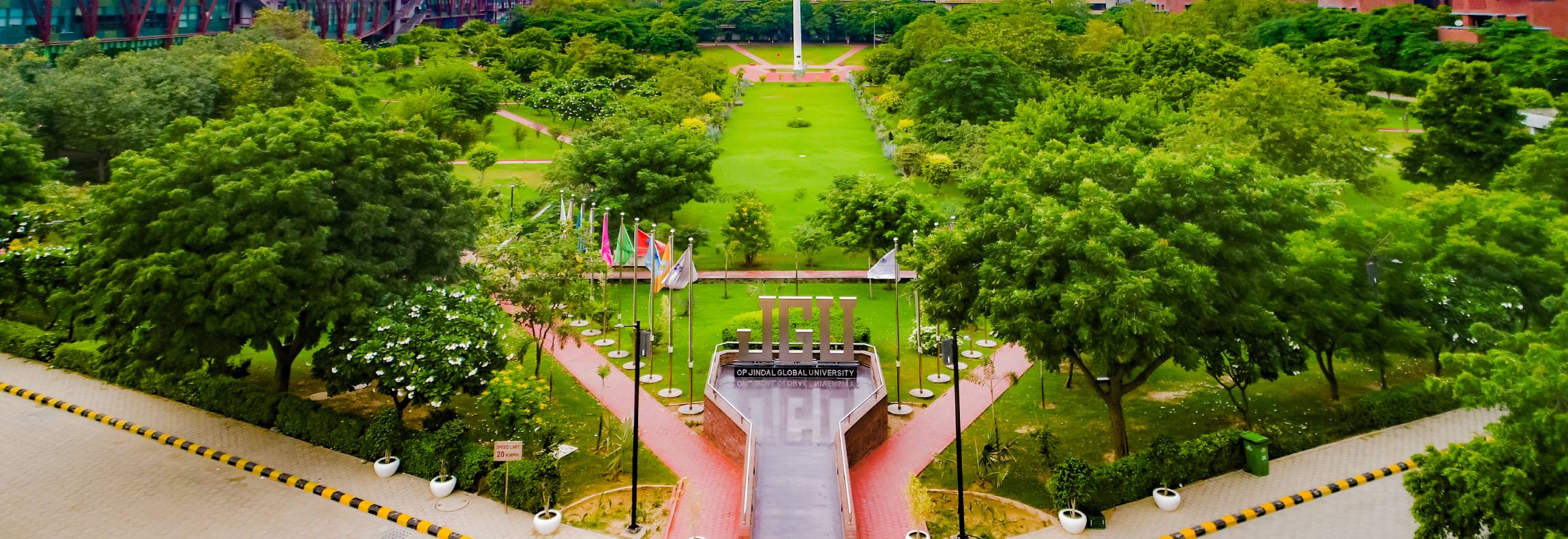
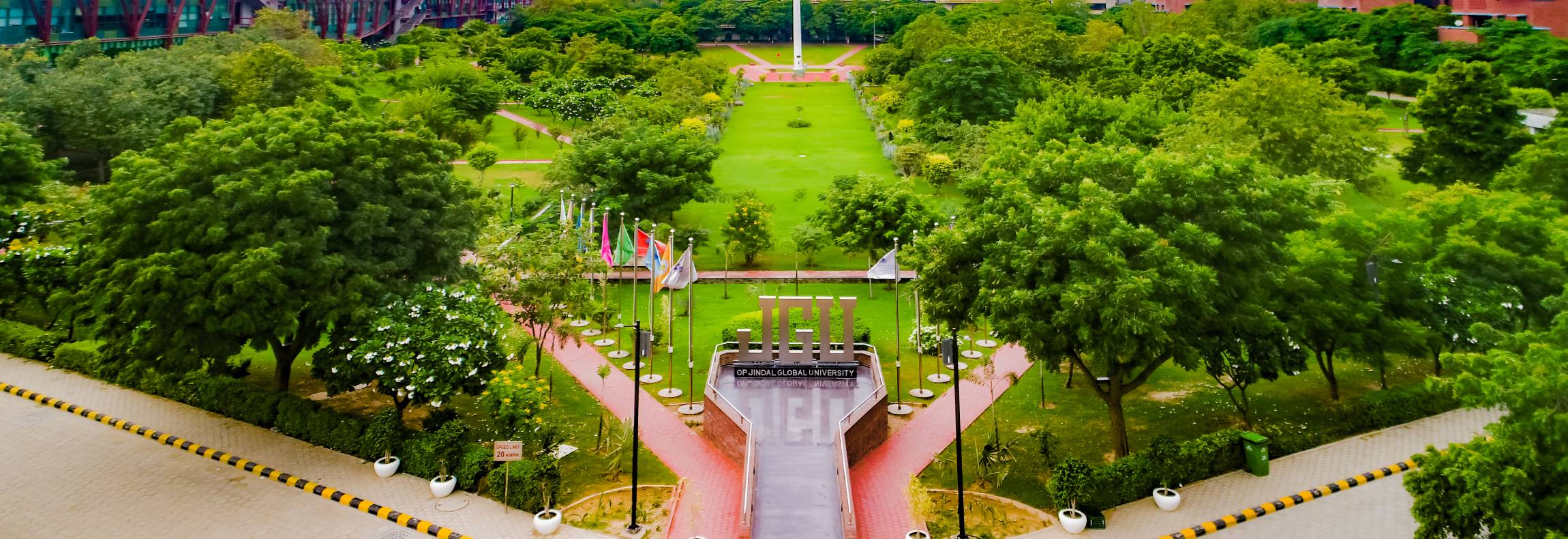
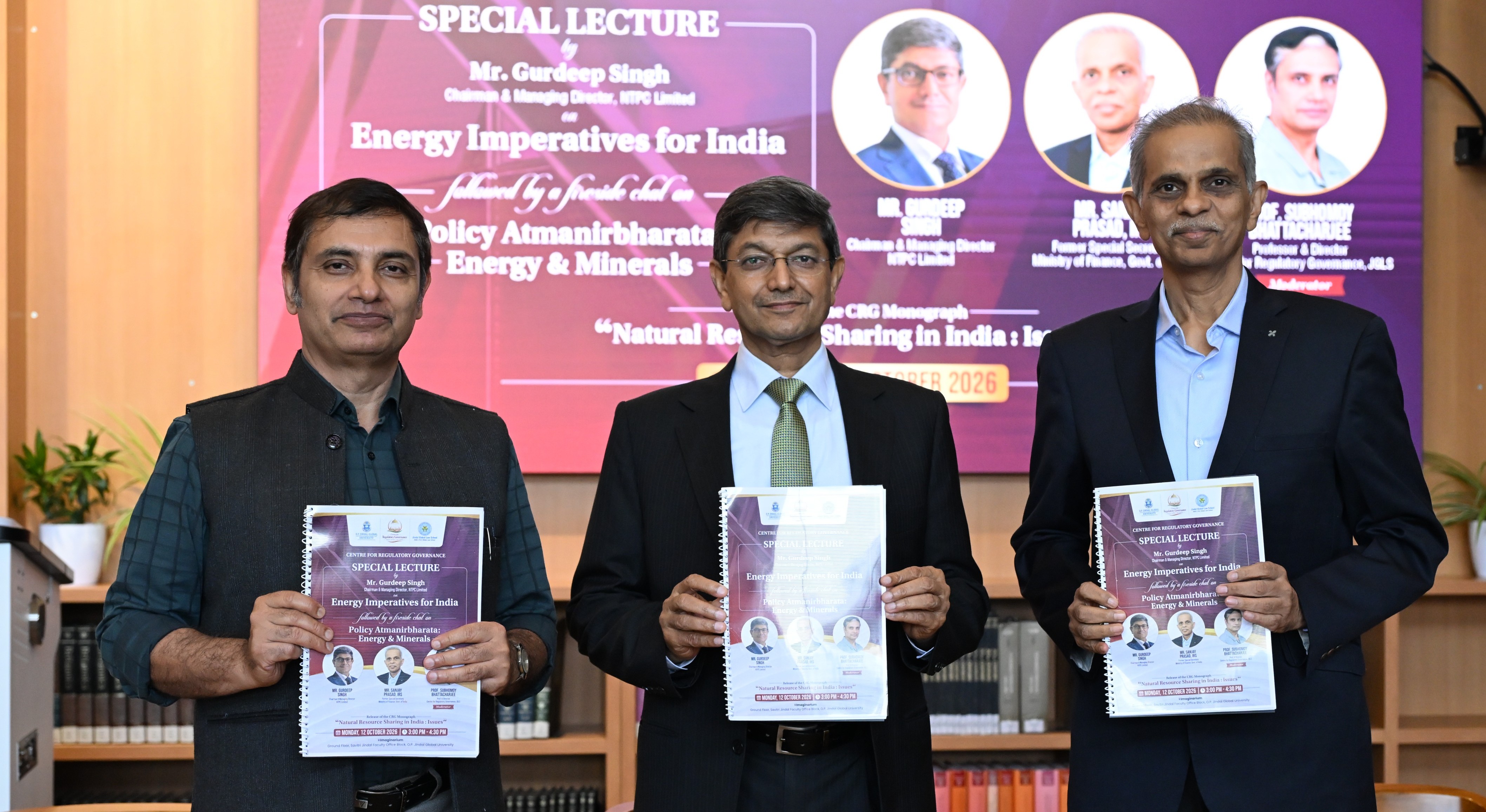
The Centre for Regulatory Governance (CRG) at the Jindal Global Law School in O.P. Jindal Global University (JGU) was
invited to a special Lecture during the prestigious event. Delivering an
insightful session on contemporary regulatory policy and governance frameworks,
Prof Subhomoy Bhattacharjee, Professor of Practice & Director, Centre for Regulatory
Governance, described how CRG aims to strengthen the effectiveness,
accountability, and transparency of regulatory institutions in India through
rigorous research, academic dialogue, policy outreach, and capacity-building
initiatives.
He further added how within a short span of 2
years the institution has gradually developed a bank of research, policy
papers, and reports, which informs regulatory debates, supports policy
formulation, and guides best practices for industry across sectors. The strategic
MoUs of CRG with DGMA and IME(I) to undertake research, policy development, and
advisory initiatives in the pension and maritime sectors, shows its commitment
to anticipating industry challenges and driving forward-looking
solutions – especially in the fast-growing Marine sector.
The forward-looking
approach of the IMEI and DGS in the critical Marine sector synchronizes
perfectly with the support that the CRG can provide in terms of Capacity
Building, Executive Training, Curriculum Support, Regulator-Industry Dialogue
directly with government bodies, legal experts, industry leaders, and maritime
regulators. It can also assist in policy research and identify gaps in policy
standards and recommend actionable measures to help achieve national maritime
targets.
Through its
regular academic dialogues, seminars, and the "Monday Regulatory
Table" meets, CRG gathers expert insights from industry leaders and
regulators to structure practical solutions. The technological and structural
shifts discussed in maritime forums help CRG analyze how regulatory bodies can
adapt more rapidly to technological transformations and global supply chain
pressures.


.jpg)